
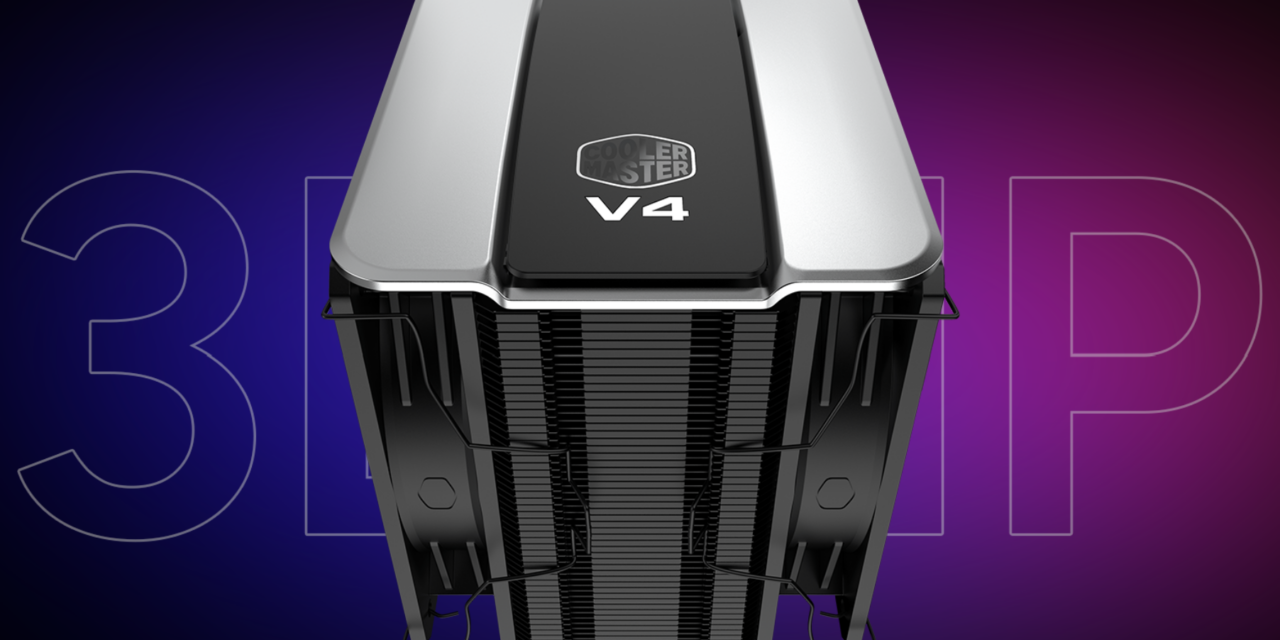
The Cooler Master V‑series coolers have a history of standing out in the air‑cooling market, especially for enthusiasts who remember the golden era of hybrid TEC designs. As someone who still runs a Cooler Master V10 on a first‑generation Intel Core i7—with flawless performance to this day, I approached the release of the new V‑series coolers with excitement. Unfortunately, my experience with the Cooler Master V4 was far from the triumphant return I had hoped for.
Installation: A Rough Start That Never Recovered
The first red flag appeared almost immediately during installation. One of the screws that secures the backplate stripped before it could even achieve a proper, tight connection. While the remaining screws held well enough to allow me to continue, the compromised mount left me uneasy. Still, with everything else seated correctly, I decided to proceed and boot the system.
Thermal performance was… acceptable. Not exceptional, not terrible, just fine. I knew there was some loss from the connector and high load for time wouldn’t be ideal. The trouble continued when I attempted to remove the heatsink.
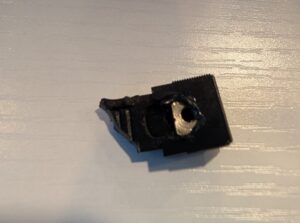
Because the stripped screw had never fully tightened, it also refused to loosen. Three corners released normally, but the fourth was stuck, not tight and not lose I couldn’t remove it. For 45 minutes I tried every gentle method possible—pressure adjustments, alternate angles, incremental torque, but the screw simply spun in place without backing out. Eventually, there was no choice but to break off a corner of the backplate just to free the cooler.
Nobody should ever have to physically break a mounting component to remove a brand‑new cooler.
The V‑Series Identity Crisis
The original V‑series coolers—especially the V10—were iconic because they dared to be different. The hybrid TEC (Thermoelectric Cooling) system wasn’t just a gimmick; it gave the V10 a unique performance profile that still holds up more than a decade later. It was bold, experimental, and genuinely innovative.
The entire new V‑series coolers, including the V4, abandon that identity entirely. Without TEC hybrid technology, they’re essentially conventional air coolers wearing the badge of a once‑legendary product line. There’s nothing inherently wrong with being a standard air cooler—but there is something disappointing about a product that carries a legacy name without carrying forward the legacy itself. Maybe there is some other reason the hybrid cooling doesn’t work anymore, come up with something else. I don’t feel like you should use a specialty name without being special.
Final Thoughts
The Cooler Master V4 had the potential to revive a beloved series, but instead it delivers a frustrating installation experience, and none of the innovation that made the original V‑series special. For builders who remember the V10 fondly—or who simply expect premium engineering from a premium‑branded cooler—the V4 is unlikely to meet expectations.
If Cooler Master wants the V‑series to matter again, it needs more than a name. It needs the ambition, engineering, and boldness that made the originals unforgettable.