The Transit Pass Tantalus
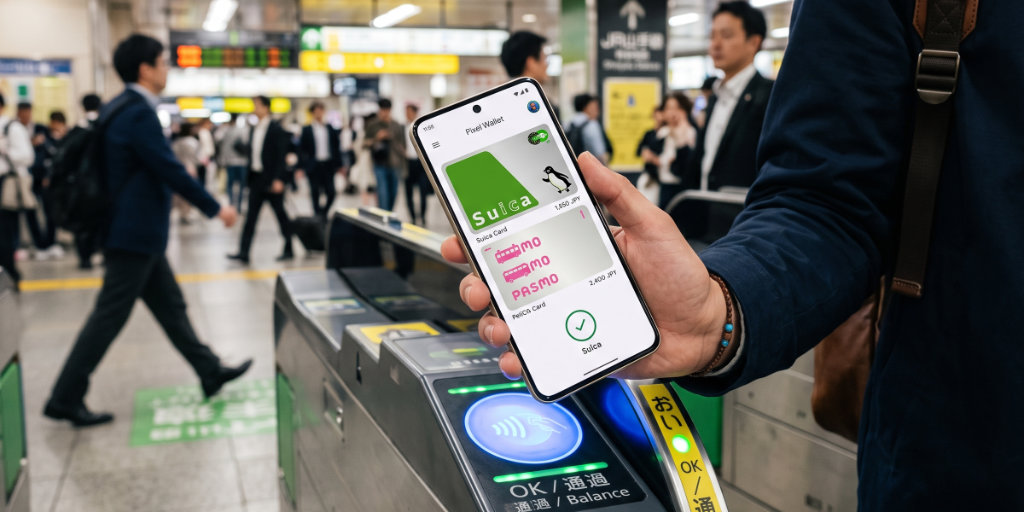
If you’ve ever been to Japan, you know the magic. You walk up to a turnstile, tap your phone, and beep—you’re through. No hunting for a physical card, no fumbling with yen, no holding up the line of salarymen who are definitely judging your lack of speed. You just tap and go. That magic is thanks to FeliCa, a proprietary NFC technology that is the backbone of Japan’s transit ecosystem. It’s fast, it’s reliable, and it’s effectively invisible.
For years, there’s been one massive gatekeeper to this joy: the iPhone. Historically, if you wanted to digitize your Suica or Pasmo pass, you needed an Apple device. Android users? We were relegated to buying physical cards, treating them like precious artifacts, and praying we didn’t lose them in a Tokyo subway station. It was a digital “green bubble” situation, but for your train ticket.
Hi FeliCa
But the tides are finally shifting. In a move that sent ripples through the Android enthusiast community, Samsung recently announced that Galaxy phones will begin supporting FeliCa starting in 2027. It’s a huge win, finally breaking the long-standing “iPhone-only” stranglehold on Japan’s most convenient piece of infrastructure.
So, Google, here is my formal, slightly desperate plea: follow suit.
Adding FeliCa support to the Pixel isn’t just a nice-to-have feature; it’s a competitive necessity for the global traveler. We buy Pixels because we love the camera, the clean software, and the “it just works” experience. But when I’m standing at Shinjuku Station, watching an iPhone user breeze through the gate while I’m digging through my pockets for a plastic card, that “it just works” promise feels a little hollow.
Why it’s a no-brainer
Google is already the king of the “helpful” assistant. We have Google Wallet, we have Google Maps integration, and we’re already deeply embedded in the Japanese tech ecosystem. Integrating FeliCa support would be the final piece of the puzzle. It would signal that Google actually understands the needs of global users who value portability and convenience over proprietary walls.
Think about the marketing: “The phone that gets you there, faster.” No more worrying about recharging your card or dealing with the chaos of physical ticket machines. Just tap your Pixel and go.
Samsung has already seen the light. The door is open. All that’s left is for Google to walk through it. Come on, Google. Let us join the party. Let us experience that glorious beep on our own terms. Until then, I’ll be the guy in the subway station holding up the line, desperately trying to find my card. Please, help me help myself.