For a few years now, if you lived outside the comfortable embrace of municipal fiber or halfway decent cable, your internet options basically boiled down to “dial-up speeds via a satellite that is secretly judging you” or “giving Elon Musk money.” Starlink, with its dense constellation of low Earth orbit (LEO) satellites, effectively monopolized the “actually usable rural internet” market. But finally, a challenger has entered the arena, and it’s armed with two-day shipping energy.
Amazon’s Project Leo (formerly Project Kuiper, but apparently someone in marketing realized “Leo” is easier to say and sounds friendlier) is officially moving from “theoretical threat” to “actual product you might be able to buy.” After a recent launch pushed their orbital count over the 390 mark, Amazon expects to roll out initial internet service later this year.
From Kuiper to Leo: A Slightly Bumpy Ride to Orbit
Amazon’s journey to becoming an ISP from space hasn’t exactly been a smooth rocket ride. Originally dubbed Project Kuiper, the initiative was announced with much fanfare and the promise of a multi-billion dollar investment. The goal? Launch over 3,200 satellites to blanket the globe in broadband.
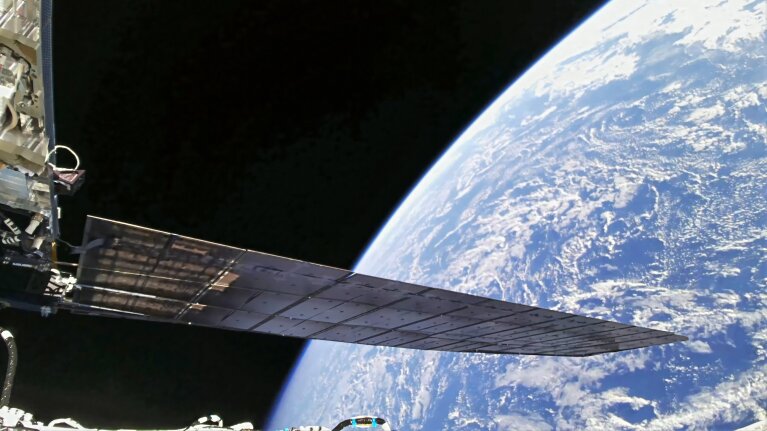
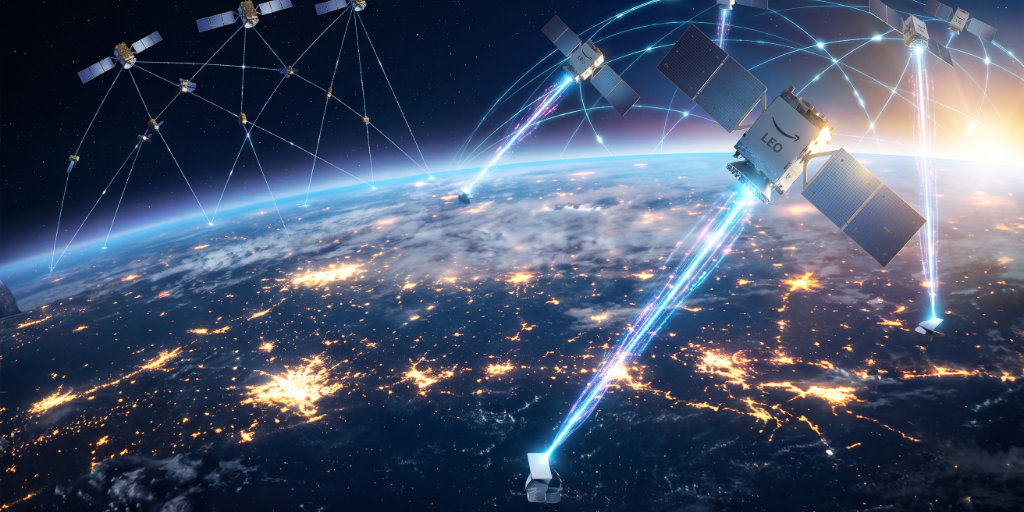
Amazon Project Kuiper (now Leo) satellite in orbit. Source: Amazon News
However, actually getting those satellites into orbit proved trickier than getting a package delivered on a Sunday. Amazon initially relied heavily on United Launch Alliance’s (ULA) Atlas V rockets. Why? Because the other rockets they planned to use—Jeff Bezos’s own Blue Origin New Glenn and ULA’s newer Vulcan rocket—kept getting grounded.
New Glenn literally exploded on its launchpad, which is generally considered a setback in the aerospace industry, destroying the launch tower in the process. Vulcan, meanwhile, had some solid rocket motor separation issues. Despite these literal fireworks, Amazon kept buying up rocket space wherever they could find it—including from French rocket maker Arianespace and, ironically, SpaceX’s Falcon 9—racking up roughly $82 billion in bookings. Now, with nearly 400 satellites chilling in orbit, Chris Weber, Amazon’s Leo chief, says they’ve completed enough launches for initial service this year, likely starting near the poles and working inward.
Why We Should Welcome Our New Amazon Overlords (Sort Of)
Satellite internet isn’t new; it’s been around since the ‘90s. But for decades, it relied on massive, geostationary satellites parked 22,000 miles away. This resulted in latency so bad you could click a link, go make a sandwich, and come back before the page loaded.
Starlink changed the game by moving the satellites much closer to Earth (Low Earth Orbit), drastically reducing that delay.
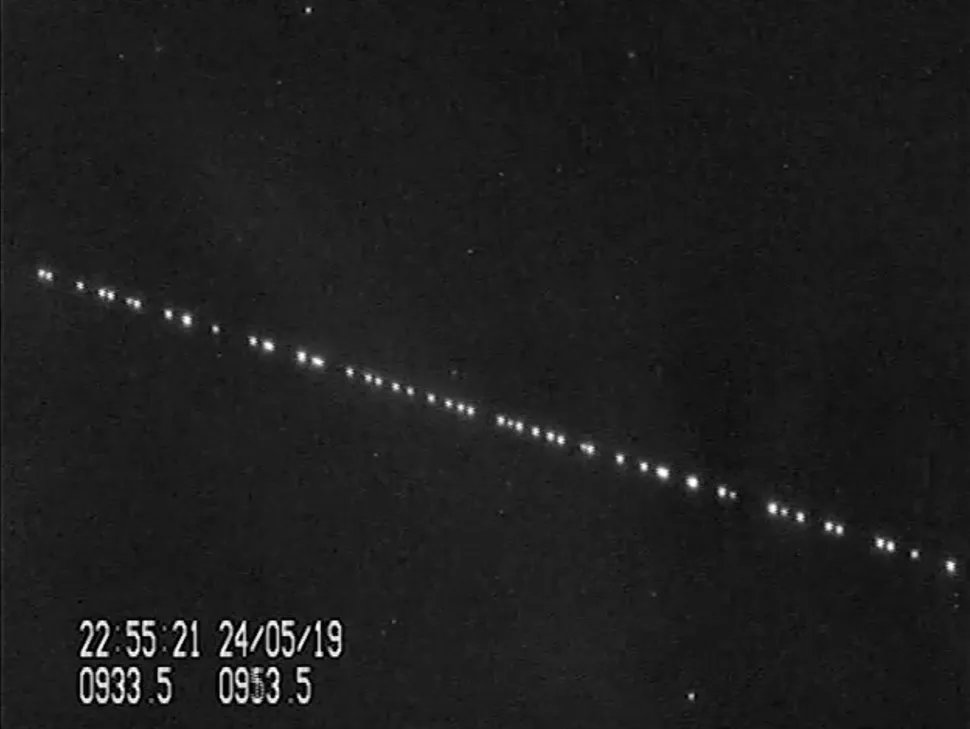
A train of Starlink satellites in orbit. Source: Space
The problem? Monopoly power. Starlink has been the only viable game in town for high-speed satellite internet, amassing a constellation of roughly 10,000 satellites. And as we all know from playing Monopoly, the person who owns all the railroads gets to set the prices.
Amazon Leo is the first legitimate heavyweight contender to step into the ring with Starlink. Competition is the magic ingredient that usually drives prices down and forces companies to innovate rather than rest on their laurels. If Amazon can offer comparable speeds at a competitive price—perhaps bundled with Prime, because of course they would—it forces SpaceX to work harder for your dollar. It pushes the technology forward and gives consumers living off the grid more than one realistic choice.
The Downside: Is Space Getting Too Crowded?
Of course, shooting thousands of metal boxes into orbit isn’t without its drawbacks. The most pressing issue with the proliferation of mega-constellations like Starlink and now Leo is space junk.
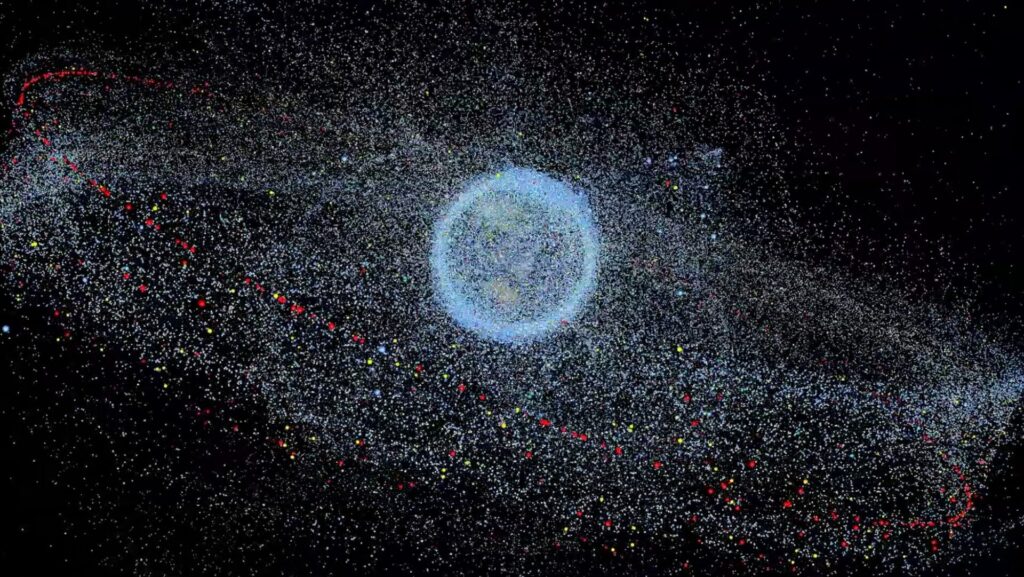
Visualization of space debris orbiting Earth. Source: European Space Agency
Low Earth orbit is getting crowded. Really crowded. With Starlink aiming for tens of thousands of satellites, and Amazon planning to add over 3,200 more, astronomers are already complaining about satellites photobombing their telescope observations.
More concerning is the increased risk of collisions. If two satellites crash, they create a cloud of debris that can hit other satellites, creating a cascade effect known as Kessler Syndrome. It’s the plot of the movie Gravity, but instead of Sandra Bullock, it’s just your internet connection flying apart at 17,000 miles per hour. Both companies have plans for de-orbiting old satellites to mitigate this, but adding thousands more objects to the mix undeniably raises the stakes.
Ultimately, Amazon Leo’s arrival is a net positive for anyone who needs fast internet outside of a major city. Competition is good. Just keep your fingers crossed that the sky doesn’t get so full of internet routers that we can’t see the stars anymore.