Robotaxi companies like Waymo and Zoox are growing at warp speed, gobbling up territory and expanding into new cities faster than you can say “where’s my steering wheel?” Naturally, the folks at Uber are getting a little antsy and are hoping to crash the driverless party. Uber has never been shy about its ultimate sci-fi fantasy: replacing its human drivers with autonomous vehicles to maximize efficiency and phase out the need for a human at the wheel.
The only missing piece of the puzzle was who was going to build their glorious, self-driving fleet. Now, we finally know exactly which automaker they’re partnering with to make that futuristic vision a reality.
Rivian’s Rising Star
If you haven’t been paying attention to the electric vehicle space, Rivian has been enjoying a pretty sweet streak of success lately. They’re the brains behind those slick, electric delivery vans you see Amazon drivers zooming around your neighborhood in, proving they can handle the grueling demands of commercial fleet logistics without breaking a sweat. On top of that, they recently pulled the curtain back on the highly anticipated R3, sending EV nerds into an absolute frenzy.
Now, they’re pivoting to the big leagues by entering the robotaxi arena—a market that the analysts at Goldman Sachs expect to balloon to a staggering $415 billion in less than a decade. That’s a whole lot of zeroes, and Rivian clearly wants a massive piece of the pie.
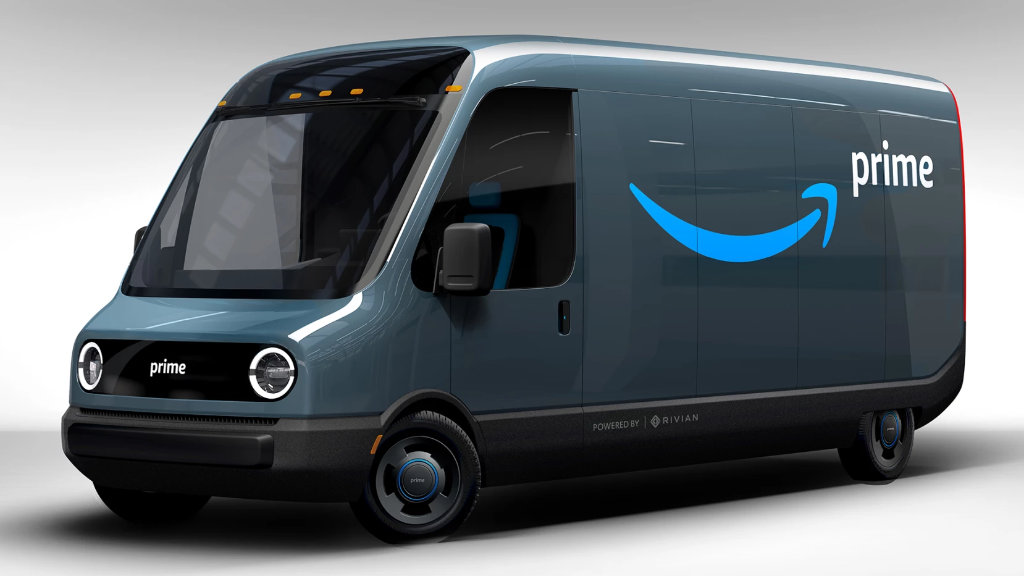
Rivian has supplied Amazon with 40,000 vans, and is on track to make 60,000 more by 2030
The Billion-Dollar Deal
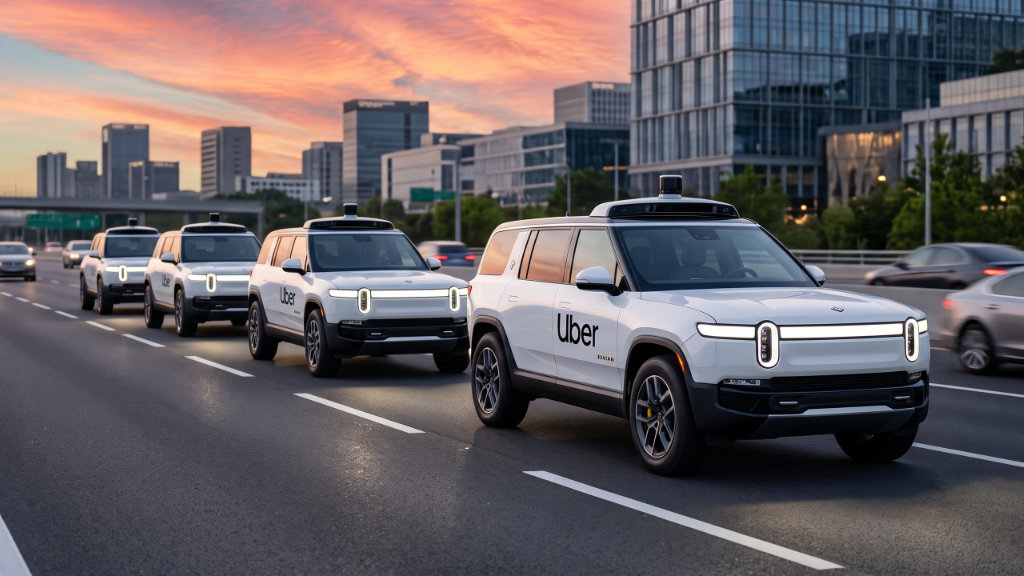
So, what exactly does this corporate romance look like? The deal Uber is striking with Rivian is absolutely massive. Uber is prepared to invest up to $1.2 billion—actually, up to $1.25 billion according to the official fine print—and purchase a whopping 50,000 R2 vehicles in total by the year 2030, provided Rivian can successfully hit certain autonomous performance milestones.
If everything goes according to plan, Uber hopes to roll out this shiny new robotaxi service in Miami and San Francisco first, before eventually expanding to 23 more cities by 2031. That means 25 major metro areas across the US, Canada, and Europe could soon have unsupervised R2s roaming their streets.
A Recipe for Success or a Price War?
This brings us to the ultimate question: Will Uber and Rivian actually pull this off? On paper, the ingredients for a grand slam are definitely there. Rivian has already proven its chops when it comes to mass-producing reliable fleet vehicles for global behemoths, and Uber boasts the best brand recognition of literally any ride-hailing service on the planet.
But there’s a major catch. When it comes to booking a ride across town, consumer brand loyalty is essentially non-existent. Most of us will ruthlessly toggle between apps and happily ditch our “favorite” platform just to save a few bucks. Customers will always gravitate toward the cheaper option, making the robotaxi market inherently cutthroat and incredibly difficult to dominate.
No matter how cool a driverless Rivian might look, if a competitor undercuts the fare, riders will jump ship. Time will tell which autonomous box on wheels you’ll be hailing from the airport six years from now.