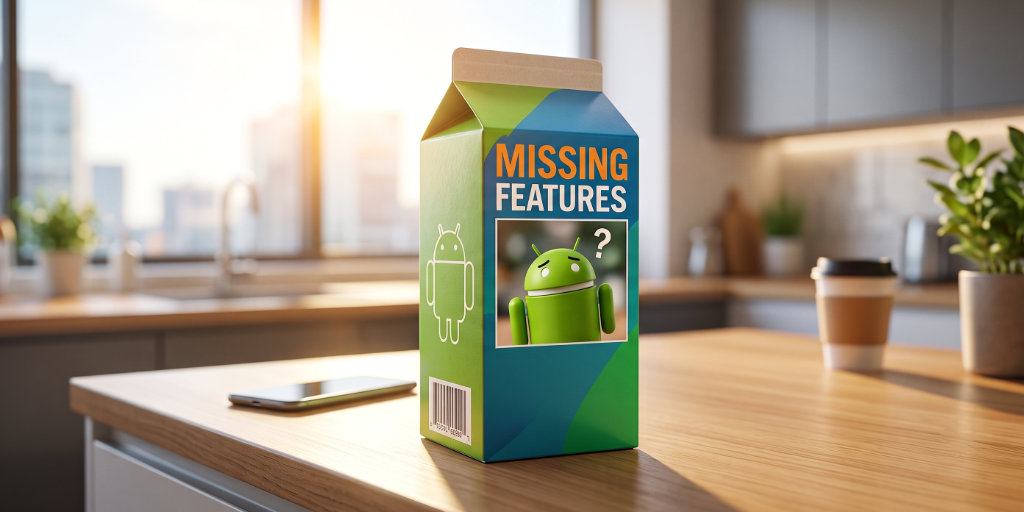
The hype train officially left the station back in May 2026 during “The Android Show,” picked up a ridiculous amount of steam at Google I/O, and finally crashed into our phones with the official release of Android 17 in June 2026. But as we dust ourselves off and excitedly poke around our newly updated Pixel devices, a rather glaring reality sets in: some of the coolest toys we were promised are nowhere to be found. It’s a bit like unwrapping a highly anticipated birthday present only to realize the batteries aren’t just excluded—they haven’t even been manufactured yet.
Even though the software is technically live, the true next-gen experience is lagging behind. Let’s take a look at the most exciting Android 17 features that are currently pulling a disappearing act.
Android Auto: Still 2D and YouTube-Free
If you were looking forward to transforming your car’s dashboard into a futuristic command center, you’ll need to keep your vehicle in park for a bit longer. Google teased an absolutely stunning “Immersive Navigation” mode for Google Maps that was supposed to bring vivid, highly detailed 3D views of buildings, overpasses, and surrounding terrain right to your car’s display. Instead, we’re still looking at the same flat, top-down map vectors we’ve been using for years.
Even more heartbreaking is the MIA status of native YouTube video playback. The pitch was brilliant: watch crisp YouTube videos at 60 frames per second on your infotainment screen while safely parked—the absolute perfect feature for anyone agonizingly waiting at a public EV charging station. Better yet, the system is designed to seamlessly transition to an audio-only feed the second you shift the car into drive. It’s the ultimate road trip luxury! Unfortunately, despite the massive fanfare, you’re still going to be propping your phone up in the cup holder to watch your favorite creators while you wait.
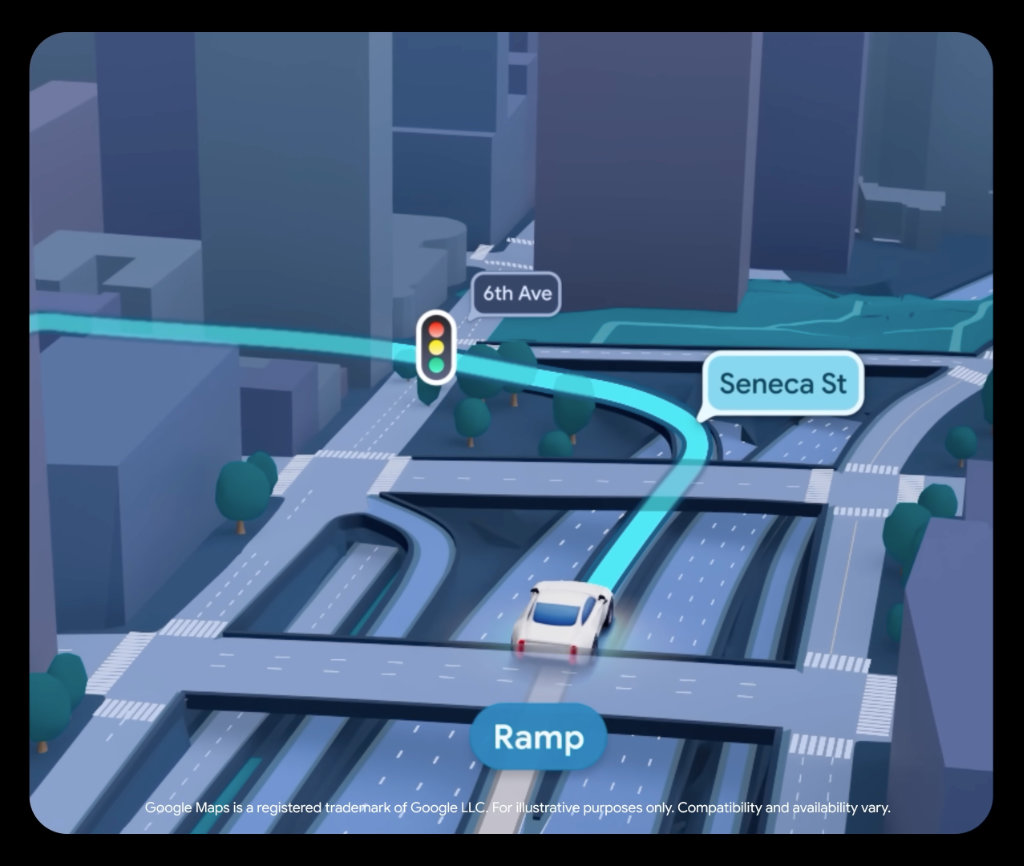
The Google Maps redesign is one of the biggest changes to Android Auto in years.
Foldable Gaming Mode: Paused
Foldable phones are practically begging to be treated like high-end portable gaming consoles, and Android 17 was supposed to finally bridge that gap on a system level. The promised “Foldable Gaming Mode” boasted a beautifully optimized 50/50 split-screen layout: your gameplay takes over the top half of the screen, while a dynamic, software-based gamepad sits neatly on the bottom. It’s a genius use of all that expensive screen real estate, effectively turning your pricey foldable into a modern-day Nintendo DS.
Yet, despite being touted as a flagship feature for the ever-growing foldable market, this killer mode hasn’t actually rolled out yet. For now, you’re stuck either using clumsy on-screen touch controls that let your thumbs block the action, or awkwardly lugging around an external Bluetooth controller. We’re ready to level up, Google—just let us press start!
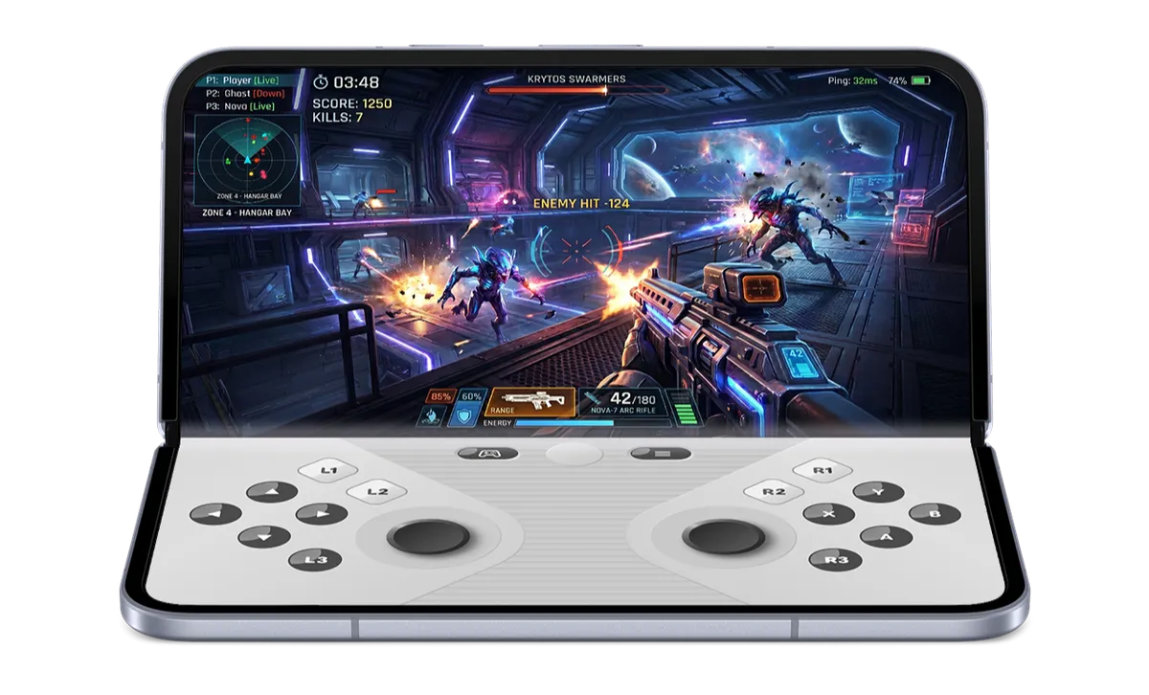
Split screen game mode makes a compelling case for foldables.
Noto 3D Emojis: Trapped in the Second Dimension
Remember when Google showed off those beautifully remastered, almost physical-looking “Noto 3D” emojis? They took nearly 4,000 classic, flat emoji characters and painstakingly redesigned them into vibrant, 3D models that look like they could pop right off the glass of your phone. It was exactly the visual glow-up our group chats desperately needed.
Alas, those gorgeous, tactile little guys are still waiting in the wings. We are currently stuck expressing our sarcastic reactions, heartbreak, and late-night food cravings with the exact same 2D graphics we had in Android 16. Google says the grand 3D rollout is coming later this year as part of the broader Android 17 roadmap, but until then, our text threads will remain tragically, decidedly flat.

Google is “future-proofing” their emoji design language with a complete overhaul of all the characters into glorious 3D.