We’ve all felt that familiar sense of dread when a “Check Engine” light flickers on during a commute. But what if a car could throw a diagnostic code before it even had seats? That’s exactly what Ford is aiming for with its next-generation electric vehicles. Forget waiting for a mechanic with a scan tool; the automaker is turning its future EVs into highly critical self-evaluators right on the factory floor. By embedding manufacturing confirmation directly into the car’s own brain, Ford’s upcoming Universal Electric Vehicle (UEV) platform will effectively grade its own assembly homework before it ever reaches a dealership lot.
The Car That Grades Its Own Homework
According to CEO Jim Farley, once these new UEVs make it past the paint shop and receive power, the internal computer wakes up and immediately starts snooping around its own nervous system. It verifies that all internal connections are properly seated and instantly alerts assembly workers if something is amiss. Historically, the auto industry has relied heavily on off-the-line inspections and external scanners to catch misalignments.
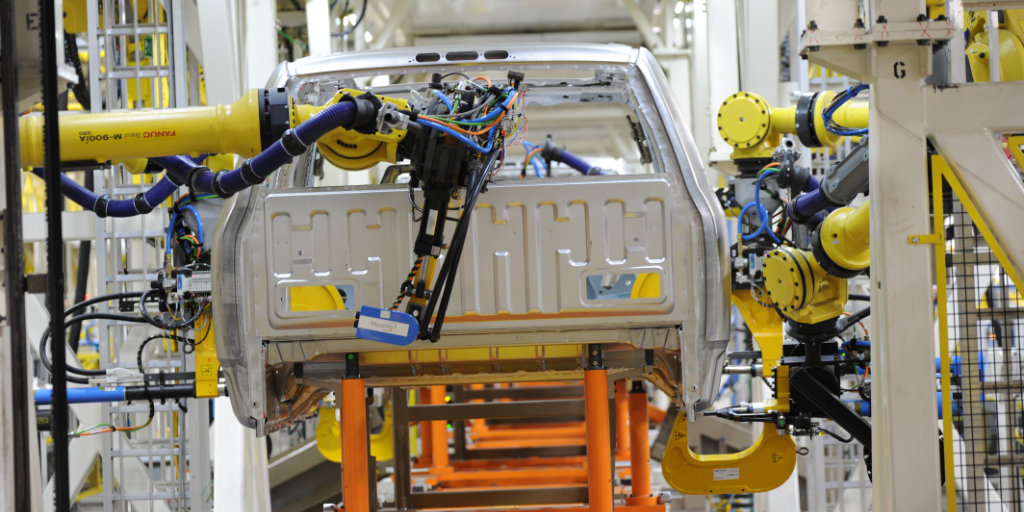
While Ford isn’t tossing its existing camera systems into the scrap heap—it will continue to use its AI-powered “AiTriz” and “MAIVs” tools to help gloved workers spot tiny hardware gaps—giving the vehicle the power of internal self-verification is a wild leap forward. It’s a lot like building a custom gaming PC that politely tells you you’ve plugged the front panel connectors in backward before you even close the case.
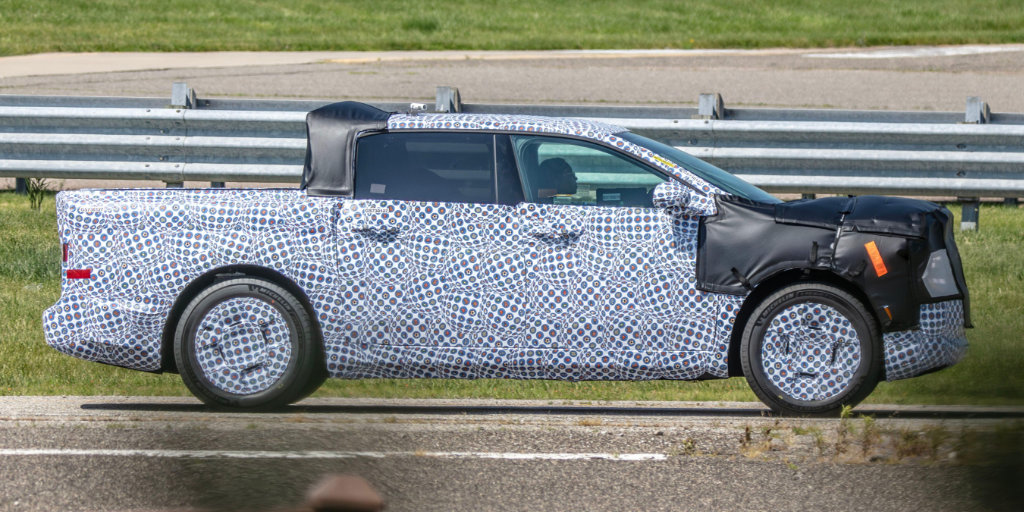
The eagerly anticipated “Fathom” will be the first vehicle built on Ford’s Universal Electric Vehicle (UEV) platform.
Fixing a Record-Breaking Headache
Why give a car a built-in quality inspector? Well, Ford has a rather obvious incentive: stopping the recall bleeding. Last year, the automaker set a U.S. auto industry record that absolutely nobody wants to hold, issuing a staggering 150 vehicle recalls. To put that into perspective, the previous record was 77, set by General Motors way back in 2014. With another 78 recalls already logged this year, Ford desperately needed a technological tourniquet.
The good news is that the company is already showing signs of a turnaround. Thanks to a recent hiring spree of veteran technical specialists, Ford managed to top JD Power’s initial quality study this past June. By letting the UEV platform catch its own connection errors right on the line, Ford is hoping to squash software and hardware gremlins long before they find their way into your garage.
Less is More (and the “Assembly Tree”)
Catching mistakes is infinitely easier when there are fewer mistakes to make in the first place, which is why simplification is the other half of this strategy. Ford’s upcoming Fathom pickup truck—the very first EV to ride on the UEV platform—is going on a serious manufacturing diet. Compared to the automaker’s previous EV efforts, the Fathom features 20% fewer parts, 25% fewer fasteners, and requires 40% fewer workstations to build. Furthermore, the Fathom’s Louisville plant is ditching the traditional single-stream assembly line that Henry Ford made famous. Instead, they are pivoting to an “assembly tree” approach, where three massive sections of the truck are built separately and then brought together in a centralized “marriage.”
It’s an ambitious overhaul of how our tech-heavy cars come to life, and while Ford is currently playing coy with the finer details, they are expected to spill the rest of the tea this coming January.