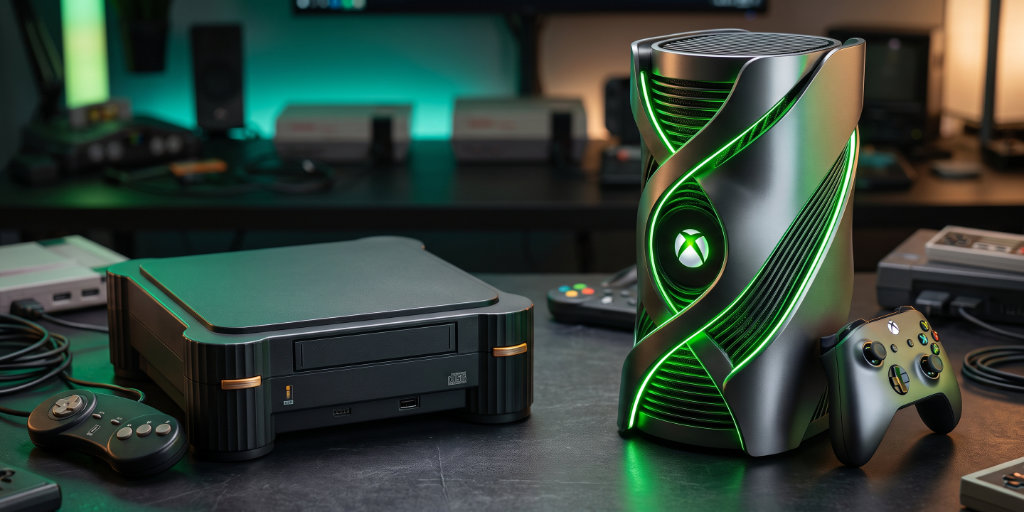
It feels like just yesterday that the fourth generation of Xbox consoles landed on our entertainment centers—assuming you were lucky enough to outclick a horde of scalper bots to actually get one. Between the COVID-induced chip shortage and the subsequent drought of true current-gen exclusives, it’s hard to shake the feeling that the ninth console generation has yet to reach its full potential. Many of us are still waiting for our trusty black towers to really stretch their legs.
Yet, like clockwork, the tech rumor mill has already moved on, churning out speculation about Microsoft’s next console, the mysteriously codenamed Project Helix. And if the early chatter holds up, gaming history might be preparing to repeat one of its most infamous belly flops.
A Quick History Lesson: Meet the 3DO
Before peering into Microsoft’s crystal ball, let’s fire up the DeLorean and head back to 1993 to revisit a slightly obscure relic of gaming history: the 3DO. Conceived by Electronic Arts veteran Trip Hawkins, the 3DO was wildly ambitious and proudly claimed the crown as the very first fifth-generation console. It promised a multimedia future where video games looked like interactive movies, and to its credit, it wasn’t a total dud on the software front. It introduced notable titles like Need for Speed and Road Rash, proving the hardware had genuine horsepower under the hood. Unfortunately, ambition alone doesn’t move units.
Despite its early head start, the 3DO was destined for ultimate failure once Sony’s PlayStation and the Nintendo 64 arrived to steal the show. A forgotten 90s box might seem worlds apart from modern Microsoft, yet there are some uncanny parallels between the 3DO and what we know so far about Project Helix.
Déjà Vu in Silicon and Sticker Shock
The first major similarity comes down to who actually builds the machines. Famously, the 3DO Company didn’t manufacture its own consoles. Instead, it defined the hardware specifications and licensed the blueprint out, letting electronics giants like Panasonic, GoldStar (now known as LG), and Samsung crank out their own variants. Sound familiar? Rumors suggest Project Helix won’t be a single console, but a “family” of hardware featuring third-party device options sitting right alongside Microsoft’s own machines.
Then there’s the glaring elephant in the living room: the price tag. The 3DO became an instant industry punchline for launching at an eye-watering $700—which comes out to over $1,600 today when adjusted for inflation. Right on cue, some early estimates expect Project Helix to land anywhere between $1,200 and $1,800. Suddenly, buying the next Xbox feels less like a weekend splurge and more like negotiating a down payment on a used sedan.
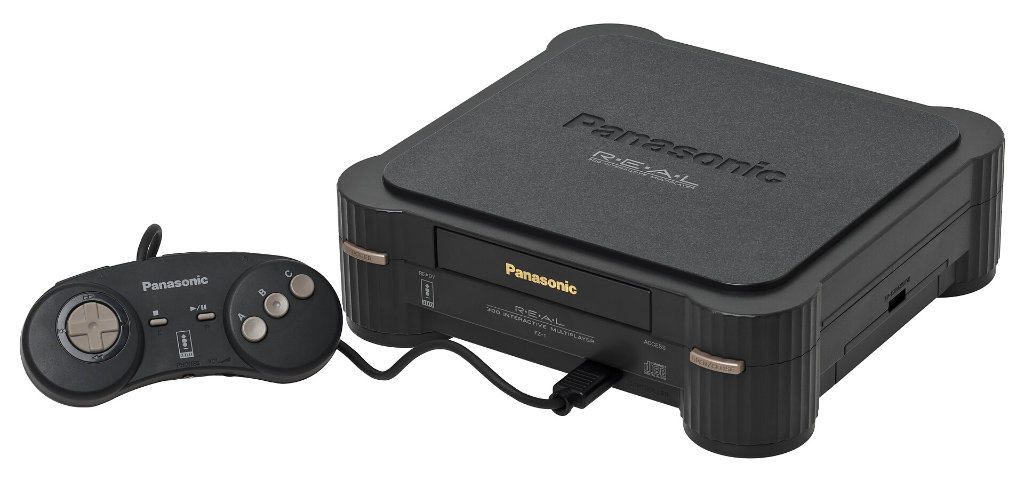
Remember this guy? Perhaps 1993 and 2027 aren’t as different as we thought.
Can Project Helix Dodge the 3DO Curse?
If these rumors turn out to be true, can Project Helix actually succeed where the 3DO face-planted? Don’t bet your Game Pass subscription on it. It’s an open secret in gaming that most consoles are heavily subsidized and sometimes even sold at a loss. Platform holders happily absorb that upfront hit because they make the bulk of their profit back through software licensing—the classic razor-and-cartridge pricing model.
Letting third-party companies build their own Helix variants completely breaks that equation. Without software licensing profits cushioning the bottom line, those manufacturers have to price the hardware to turn a profit on day one, sending retail costs straight into orbit. Pair that with the fact that the leap between console generations has grown increasingly minimal, and a $1,000-plus Xbox offering little improvement over the previous generation becomes a very hard pill to swallow.
Honestly, maybe we all just need to press pause on the tenth generation and wait for manufacturing prices to calm down before forging ahead.