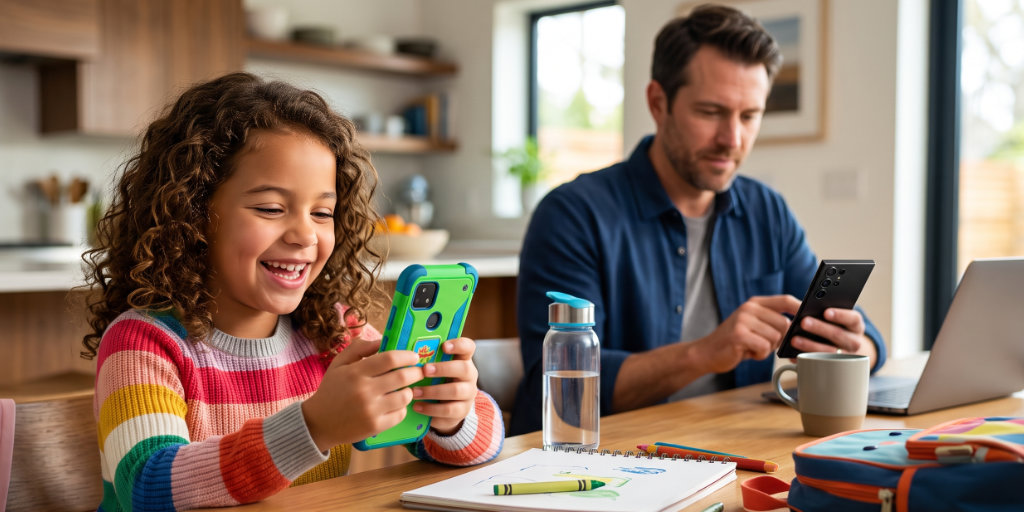
The $1000 pacifier
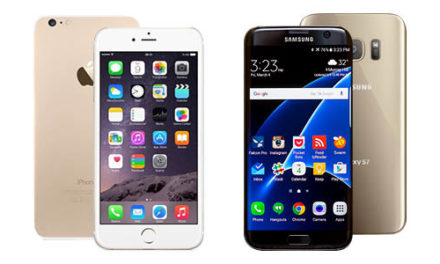
Let’s talk about that moment. You’re standing in line at the grocery store. Your kid is doing the “I’m bored, and therefore I must destroy the peace” dance. What do you do? You, the weary parent, pull out your gleaming, brand-new, mortgage-payment-worthy flagship smartphone, loaded with all your work apps, financial details, and irreplaceable vacation photos. You hand it over like a peace offering, essentially transforming a $1,200 piece of mission-critical hardware into a temporary YouTube remote.
You know the risks: sticky fingers, a sudden, gravity-defying drop onto the tile floor, or, perhaps worst of all, a trip to the “In-App Purchases” screen. Why are we doing this? Because it’s convenient. But convenience, in this case, is a ticking time bomb waiting to shatter your phone screen and your bank balance.
The Nightmare Scenario Checklist
When you hand your kid your phone, you’re playing Russian Roulette with several expensive bullets:
- The Physical Fail: A phone drop is inevitable. Unlike the sturdy, rubberized gear kids should have, your glass-backed phone is a delicate flower. A single slip means a pricey trip to the repair shop, which is never covered by the “It fell because a T-Rex attacked the living room” clause in your insurance.
- The Data Fail: A moment of curiosity leads to an accidental mass-deletion of your work documents or, more commonly, a creative but irreversible filter applied to your entire photo library.
- The Financial Fail: Ah, the dreaded accidental purchase. Your toddler just used your stored credit card to buy 500 V-Bucks, a new skin in Brawl Stars, or maybe a completely unnecessary in-game currency bundle. The conversation with customer service is almost as painful as seeing the charge.
The Genius Solution: The $20 Brick
So, what’s the alternative? Don’t buy a stripped-down kid’s tablet that runs slower than a dial-up modem. The secret lies in the retail jungle of Walmart, Target, or even your local grocery store: The Cheap Prepaid Phone.
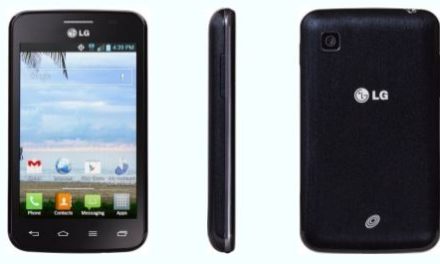
Walk past the $800 smartphones and look for the budget shelf. You can routinely find basic Android models—often branded as “TracFone,” “ZTE,” or something equally forgettable—for a staggering $15 to $30. These are not fancy. They are usually slow, have terrible cameras, and run on last-generation software. But here’s the key: You are not required to activate a cellular plan.
Buy the phone, take it home, skip the carrier activation entirely, and connect it only to your home Wi-Fi.
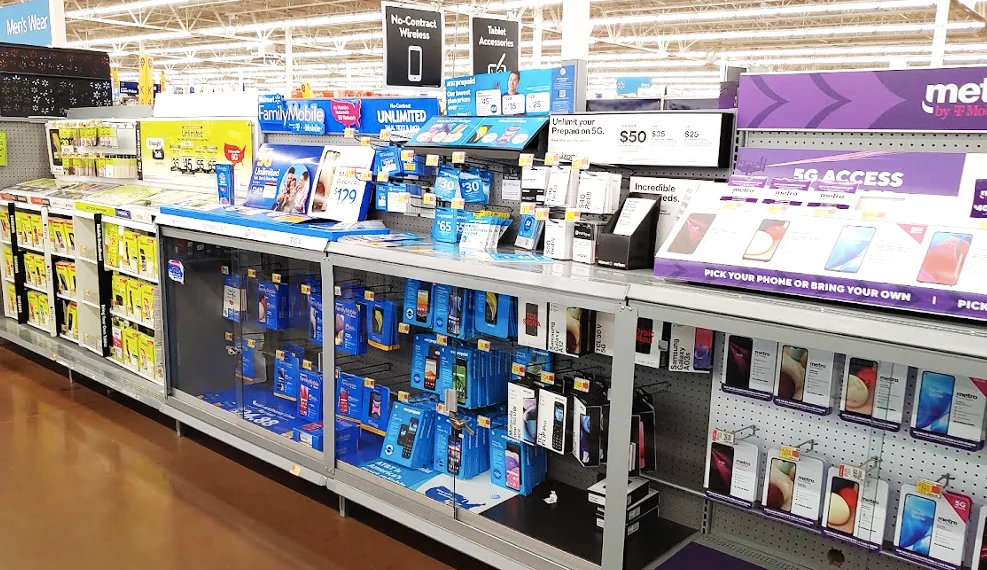
You probably passed the prepaid phone section a dozen times without realizing it’s the key to protecting your $1000 phone.
Instant, Disposable Entertainment Center
You now have a dedicated, digital babysitter that costs less than a fancy dinner. Preload it with kid-friendly content: educational apps, offline games, and the YouTube Kids app. Since it’s running on a modern OS (usually), it handles these tasks perfectly well over Wi-Fi.
The benefits are enormous:
- 1. Zero Risk: If it breaks, gets lost, or takes an unexpected bath in the toilet, who cares? It’s a $20 investment, not a crisis. You treat yourself to a coffee and buy a new one the next day.
- 2. No Data Exposure: Your child is now playing on a device with zero access to your personal files, banking apps, or work email. It’s a clean sandbox.
- 3. Controlled Environment: You can lock it down and control exactly what apps are on it, preventing those accidental, wallet-draining in-app purchases.
Stop handing over the keys to your digital life just to get five minutes of silence. Embrace the cheap, disposable, Wi-Fi-only prepaid phone. It’s the smart way to keep your sanity and your screen intact.