Ah, the pre-trip ritual. It usually involves three stages of grief: realization (you have too much stuff), denial (it will definitely all fit in that carry-on), and the final, frantic scrounge for charging cables. We’ve all been there, crawling under the bed to find that one specific Micro-USB cable that only charges your electric toothbrush, while simultaneously panicking about whether a French outlet will turn your expensive smartphone into a very pretty, very dead brick. Getting your tech life together before a flight can be more stressful than the actual travel, especially when you start factoring in international voltages and the geometric nightmare of foreign plug shapes. But after years of digital wandering and enough tangled wires to knit a sweater, I’ve finally found it: the perfect, stress-free travel charging setup.
The One Adapter to Rule Them All (Almost)
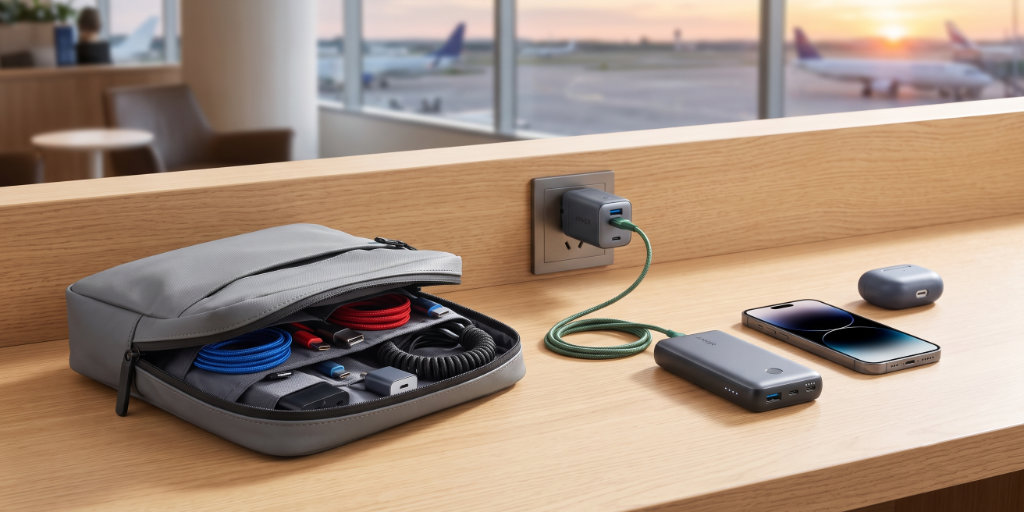
The heart of my setup is the Anker Nano Travel Adapter. If this thing were any more versatile, it would probably start offering me flight upgrades. It’s a literal globe-trotter, adapting to the weird and wonderful outlets of over 200 countries. It packs two USB-A ports and two USB-C ports, which is usually plenty for a tech-heavy geek on the move. Plus, it acts as a pass-through adapter, so you can still plug in a standard two-pin device if you absolutely must have your hair dryer or whatever. The best part? It’s about half the size of those chunky, brick-like universal adapters that look like they belong in a 1980s briefcase. This thing actually fits in a tech pouch without requiring a degree in Tetris.
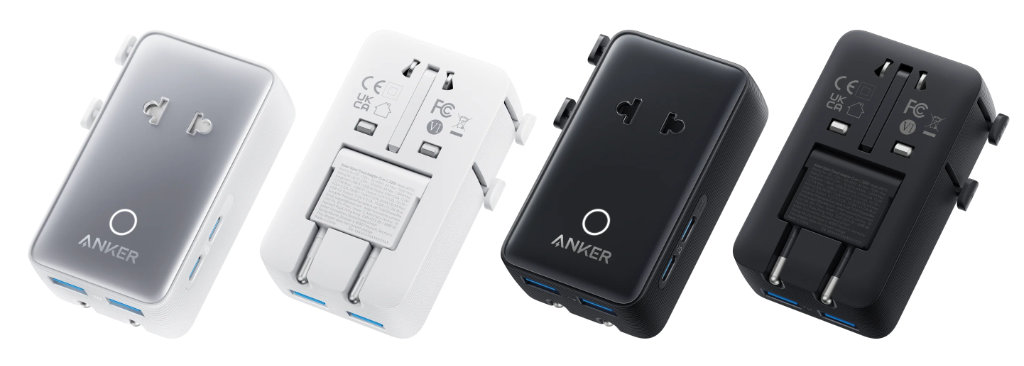
The Anker Nano Travel Adapter is sleek in both white and black colorways
Now, for the “informational” bit: there are caveats. This is a travel friend, not a powerhouse. With a 20W max for single device charging, you aren’t going to be fast-charging a MacBook Pro while rendering 4K video. It’s for your phone, your earbuds, and your sanity. Also, crucially, it doesn’t convert voltage. It just changes the shape of the hole. If you plug a 110V-only device into a 220V outlet in Europe, you’re going to see some very expensive magic smoke. Check your labels, people!
The Tech Pouch: A Home for Wayward Wires
Next up is the Tech Pouch. This isn’t just a bag; it’s a sanctuary. This is where my Anker Nano lives, alongside a curated collection of cables. I always carry a few high-quality USB-C cables, because it’s 2026 and if your device doesn’t use USB-C yet, we need to have a talk. I also keep those pesky proprietary ones—the smartwatch puck and the shaver cable—neatly tucked away.
The “Pro-Tip” here isn’t about the pouch itself, but the philosophy: these cables live in the pouch. They never leave. When I get home, the pouch goes in the drawer. When I pack, the pouch goes in the bag. I have officially retired from the “mental load” of calculating exactly how many cables I need three hours before an international flight. If it’s in the pouch, I have it. If it’s not, I’m probably better off without it anyway.
The Sling Bag Sidekick
The final piece of the puzzle is the “Break Glass in Case of Emergency” kit: a dedicated power bank and a single USB cable kept separately in my travel sling bag. Why separate? Because the main tech pouch is usually buried deep in my “personal item” under the seat or in the overhead bin. When you’re mid-transit on a 36-hour journey involving three layovers and a very questionable bus ride, you don’t want to be performing luggage surgery just to find a charge.
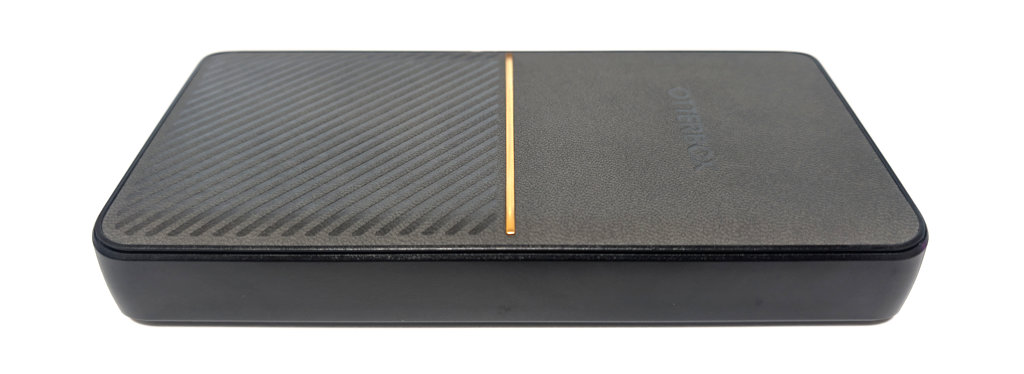
I’m currently using the (now discontinued) OtterBox 20,000mAh battery.
This power bank is my lifeline. It’s for the long travel days where “airport Wi-Fi” is a myth and your phone’s battery is draining faster than my patience in a security line. Having a dedicated source of juice that stays within arm’s reach ensures that even if the plane’s USB port is broken (which it always is), I can still listen to my podcasts and pretend the person snoring next to me doesn’t exist.
Is This Setup for You?
To recap: we’ve got a tiny universal adapter, a dedicated cable sanctuary, and an emergency power reserve. It’s simple, it’s light, and it eliminates the last-minute packing panic that leads to buying a $40 cable at an airport kiosk.
However, let’s be real—this isn’t for the “Digital Nomad Overachiever.” If you’re traveling with a 16-inch laptop, a professional camera rig, a tablet, and a drone, you’re going to need more wattage and probably a bigger bag. And again, if you’re using legacy equipment that needs a voltage converter, this setup will lead to a very short, very bright firework show. But for the rest of us? The casual travelers who just want to keep our phones alive and our stress levels low, this is the way. Happy travels, and may your outlets always be reachable.